What draws you to the Hollywood Hills is not just the view. It is the way homes frame the sky, pull light across rooms, and create quiet moments on a terrace above the city. If you love design, you want more than a pretty façade. You want to understand the architecture, the way it lives, and what to look for before you buy. This guide breaks down the Hills’ signature styles, the floor plans and materials that define them, and the hillside realities to check as you tour. Let’s dive in.
Hollywood Hills architectural DNA
Hollywood Hills architecture tells the story of Los Angeles itself. Early hillside pockets still showcase Spanish Revival charm from the 1910s through the 1930s. After World War II, the Hills became a laboratory for Mid‑Century Modern ideas: glass, steel, and homes that float above canyons to capture sweeping vistas. In recent decades, Contemporary builds and custom architectural estates have layered in sculptural forms, expansive glazing, and resort-level amenities.
Design movements by architects like Pierre Koenig, John Lautner, Richard Neutra, Craig Ellwood, and Paul R. Williams helped shape the area’s identity. The iconic Case Study program and homes such as the nearby Stahl House (Case Study House No. 22) set the tone: celebrate the site, open interiors to the outdoors, and make the view the main event.
What makes the Hills different is the land itself. Steep slopes and narrow ridgelines favor vertical circulation, clever parking solutions, and cantilevered decks. Floor plans are often organized around terraces and view corridors. Privacy is built in, and so is drama.
Mid‑Century Modern
Defining features
- Low, horizontal profiles and clean lines.
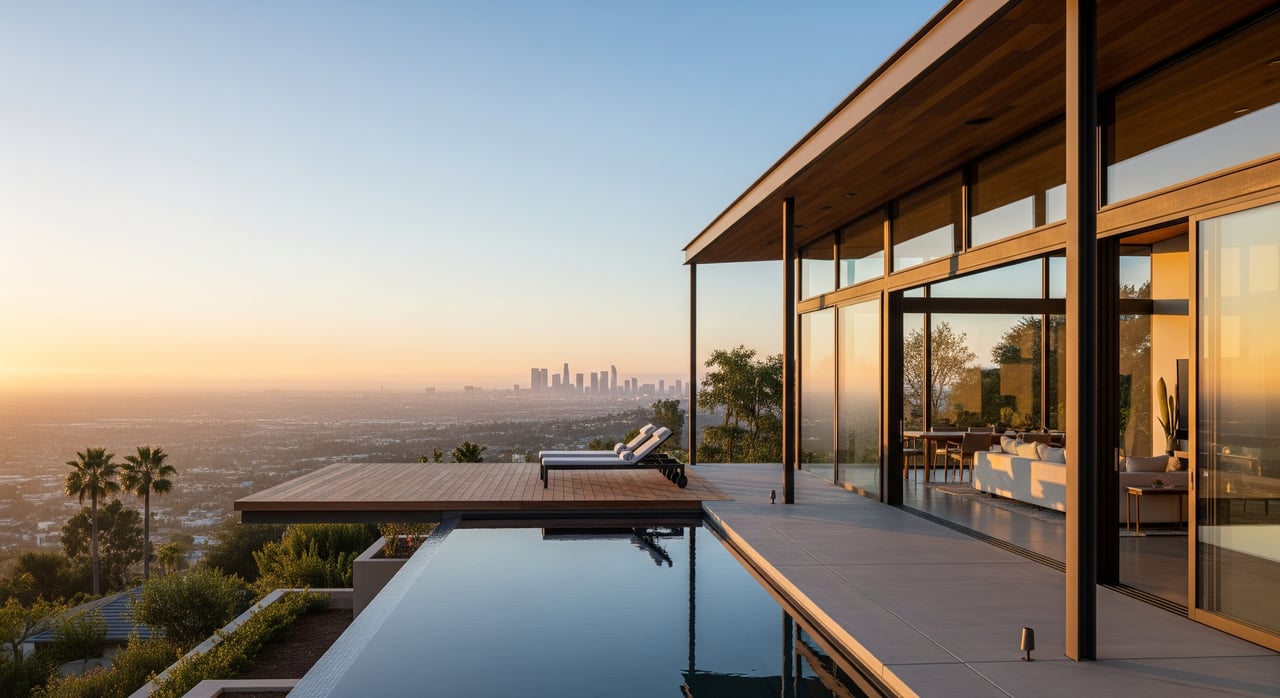
- Floor‑to‑ceiling glass, clerestory windows, and exposed beams.
- Wood, glass, concrete block, steel, and stone accents.
How it lives
- Open living/dining/kitchen oriented to a single, stunning view wall.
- Bedrooms grouped on a wing; patios and terraces blur indoors and out.
- Flat or low‑pitched roofs; split‑level layouts on steeper lots.
Buyer fit
- Ideal if you value minimalism, original details, and strong indoor‑outdoor flow.
Renovation notes
- Expect upgrades for single‑pane glass, waterproofing on flat roofs, and modern mechanicals.
- Seismic strengthening and careful preservation of original finishes may be needed.
Spanish and Spanish Revival
Defining features
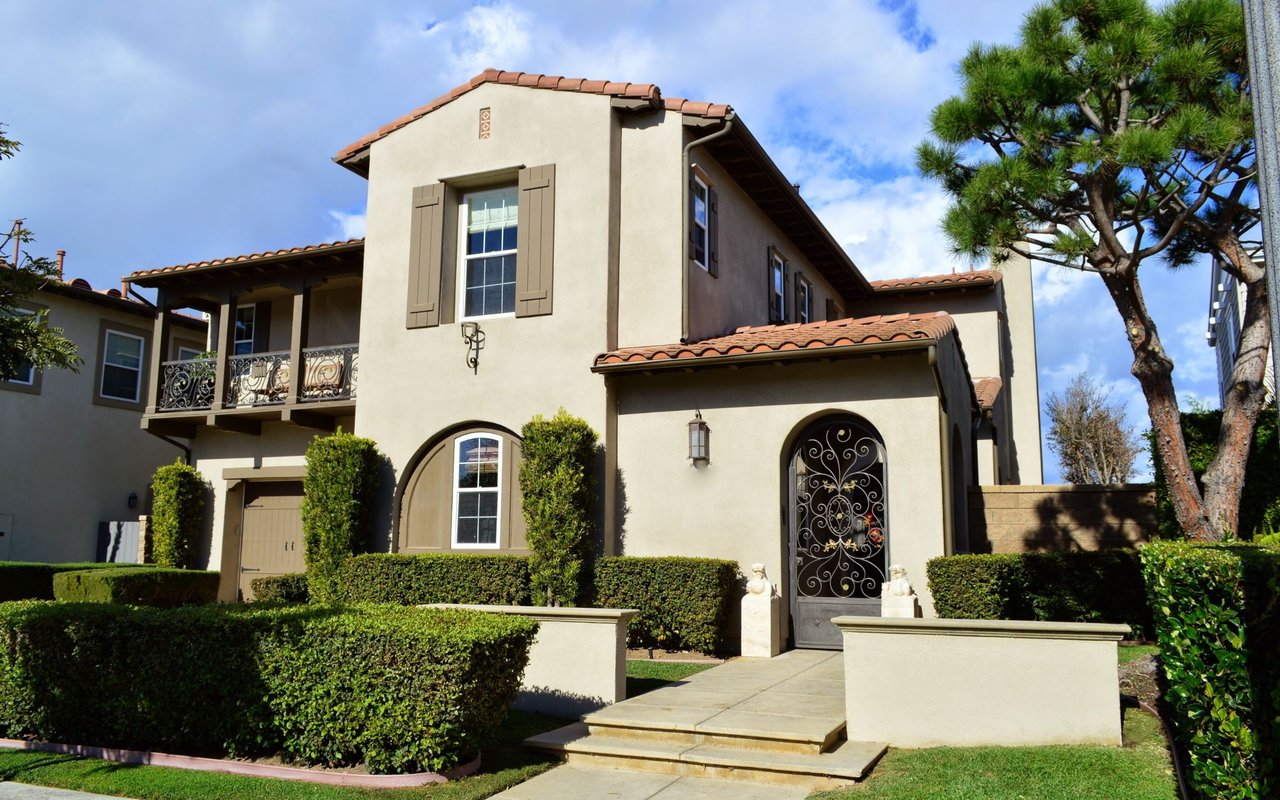
- Stucco walls, red clay tile roofs, arched openings, and wrought‑iron details.
- Courtyards, carved wood doors, and patterned tile work.
How it lives
- More compartmentalized rooms that feel intimate and quiet.
- Courtyard‑focused plans provide privacy and a serene center of gravity.
- Terraced gardens and retaining walls often shape the outdoor experience.
Buyer fit
- Perfect if you love texture, historic character, and private outdoor rooms.
Renovation notes
- Plan for stucco repair, tile roof maintenance, and older system upgrades.
- On steeper sites, foundation and seismic updates can be part of long‑term care.
Contemporary (newer modern)
Defining features
- Bold, asymmetrical forms with large expanses of glass.
- Mixed materials like concrete, metal, wood, and refined stucco.
- Dramatic entries, thin roof planes, and integrated lighting.
How it lives
- Multi‑level plans that step with the hillside and frame the view from main living spaces.
- Large primary suites, guest quarters, and indoor‑outdoor entertaining areas.
- Elevators are common, with garages often below the main living level.
Buyer fit
- Great if you want high‑performance systems, current finishes, and a showcase for entertaining.
Renovation notes
- Curtainwalls and oversized glass can be costly to service.
- Bespoke mechanical systems may require specialized maintenance.
Architectural estates
Defining features
- Custom, high‑amenity homes with layered terraces, pools, and guest spaces.
- Sculptural architecture, premium materials, and expansive landscape design.
How it lives
- Multiple living areas, service cores tucked from view, and resort‑style outdoor zones.
- Elevators, theaters, gyms, and separate guest suites are common.
Buyer fit
- Designed for turnkey, private, and large‑scale living with elevated operating standards.
Renovation notes
- Expect higher maintenance across specialty systems: HVAC, pools, elevators, and complex drainage.
- Ongoing hillside management for erosion control and retaining walls is routine.
Hillside realities to know
Owning a Hollywood Hills home means understanding the site as much as the style. Here is what to check as you evaluate properties.
Topography and foundations
Steep slopes and variable soils make foundations a core concern. Many homes rely on deep caissons, grade beams, and engineered retaining walls. A geotechnical report helps you understand slide risk, soil bearing, and the depth of any existing or proposed foundations.
What to look for:
- Cracks, sloping floors, sticking doors, or patched retaining walls.
- Signs of movement near decks or terraces.
- Records of past geotechnical or structural work and permits.
Drainage and erosion control
Surface water management drives hillside stability. Poor drainage can undermine foundations, while undersized or aging retaining walls can fail.
Smart steps include:
- Reviewing as‑built drainage plans and recent permits.
- Inspecting all retaining walls with a structural engineer.
- Confirming any shared drainage easements and their maintenance obligations.
Seismic and structural safety
Los Angeles is earthquake‑prone. Many older hillside homes benefit from targeted retrofits such as foundation bolting, added shear walls, or chimney stabilization. Consult local building departments for permit requirements and have a licensed structural engineer evaluate hillside specifics.
Fire risk and defensible space
Portions of the Hollywood Hills are within high fire hazard zones. Expect vegetation management, ember‑resistant details, and clear access for emergency response. Fire designation can influence insurance availability and premiums, so verify current mapping and recent brush‑clearance history.
Access, parking, and services
Steep, narrow streets and switchback driveways are a part of hillside living. Garage conversions may need permits; confirm parking is compliant and practical for daily life. Most properties connect to municipal water and sewer, but for ridgeline parcels confirm the sewer lateral and any private utility considerations.
Permits and records to request
Before you write an offer, ask for:
- Building permits and final sign‑offs for additions, retaining walls, decks, pools, and exterior changes.
- Geotechnical and structural reports for past work.
- As‑built grading and drainage plans.
- Certificate of Occupancy or final inspection records when applicable.
- History of code violations or insurance claims tied to landslide, water, or fire.
Tour like a design pro
Walk a property with two checklists in mind: one for design and one for performance.
Aesthetic cues to note:
- Floor‑to‑ceiling glass, original beams, and clerestory windows.
- Authentic materials like terrazzo, concrete block, plaster, and warm wood.
- How the floor plan meets the view and connects to terraces or pool decks.
Performance cues to verify:
- Roof age and waterproofing, especially on flat or low‑slope roofs.
- Condition of retaining walls, drains, and downspouts.
- Evidence of seismic upgrades and documented permits.
Buyer inspection checklist
- General home inspection.
- Geotechnical report or review of any existing studies.
- Structural engineer evaluation of foundation, retaining walls, and slope stability.
- Roof, gutter, and waterproofing inspection.
- Pest and termite inspection.
- Pool and spa equipment inspection.
- HVAC and mechanical systems inspection.
- Fire safety review: defensible space, ember‑resistant features, address signage, and access.
- Permit and title search with review of approvals and finals.
- Sewer camera inspection and review of the sewer lateral if needed.
Which style fits your lifestyle?
- Mid‑Century Modern: Minimal, view‑first living with authentic details and indoor‑outdoor rhythm.
- Spanish Revival: Romantic, textured spaces centered on courtyards and privacy.
- Contemporary: Sculptural architecture, current systems, and expansive entertaining.
- Architectural estates: Full‑amenity living at scale, with robust operations and care.
If you are shopping across these styles, keep your priorities clear. Do you want original character or new‑build performance? Is the view wall the must‑have, or is a private courtyard more your pace? Your shortlist will come into focus once you weigh the architecture against the hillside logistics.
Selling a design home in the Hills
Presentation matters in the Hollywood Hills. Thoughtful staging, precise photography at the right light, and strong property storytelling help buyers understand the architecture and the site. Clear documentation also builds confidence: permits, reports, and recent upgrades give design‑savvy buyers the detail they expect.
With a marketing‑first, concierge approach, you can position your home as an architectural opportunity rather than just a listing. Staging that highlights sightlines, glass moments, and terrace living, plus distribution across the right channels, helps you reach the design‑minded audience that values your home’s details.
Ready to explore the Hills or discuss a sale strategy tailored to your property’s design and site? Connect with Tina Quillen for consultative guidance and a campaign built around your home’s architecture.
FAQs
What are the main Hollywood Hills home styles?
- Mid‑Century Modern, Spanish/Spanish Revival, Contemporary, and custom architectural estates are the dominant styles you will see.
Which Hollywood Hills style offers the best views?
- Mid‑Century Modern and Contemporary homes often place main living spaces at the view plane, while estates layer terraces; Spanish Revival may prioritize courtyards.
What inspections are critical for hillside homes?
- In addition to a general inspection, order geotechnical and structural evaluations, roof and waterproofing checks, and a review of drainage and retaining walls.
How does fire risk affect buying in the Hills?
- High fire hazard designations can shape insurance and require defensible space; confirm the current designation and review brush‑clearance history.
What permits should I request before making an offer?
- Ask for building permits and finals for additions and exterior work, plus geotechnical, structural, grading, and drainage documents.
Are flat roofs a dealbreaker in Mid‑Century homes?
- Not necessarily; plan for diligent waterproofing and roof maintenance, and budget for modern insulation and drainage solutions.