Choosing between Burbank and Glendale can feel like picking favorites between two good options. You want a home that fits your budget, a commute that won’t drain your energy, and a neighborhood that matches your day-to-day life. If you work in or around the studios, the decision can be even more nuanced. In this guide, you’ll get a clear, practical comparison of housing types, commute realities, amenities, and costs so you can choose with confidence. Let’s dive in.
Quick vibe check: Burbank vs. Glendale
Burbank is a compact city just north of Hollywood with a strong media identity. You’ll find major studio campuses, a small-city downtown, and neighborhoods that feel close to the action. The Hollywood Burbank Airport adds convenience for travel and creates localized aircraft noise in nearby areas.
Glendale is larger and more geographically varied. Neighborhoods range from flat, central districts near Americana at Brand and Glendale Galleria to hillside and canyon areas with a quieter feel. You get more diversity in lot size, home style, and terrain, plus a major retail and dining scene.
If you’re studio-focused and want a short hop to Warner Bros., Disney-adjacent Burbank offices, or NBCUniversal, Burbank often delivers the shortest door-to-door trips. If you want broader housing options, more hillside inventory, or a central retail core with major shopping and dining, Glendale gives you a wider menu.
Housing options and neighborhood character
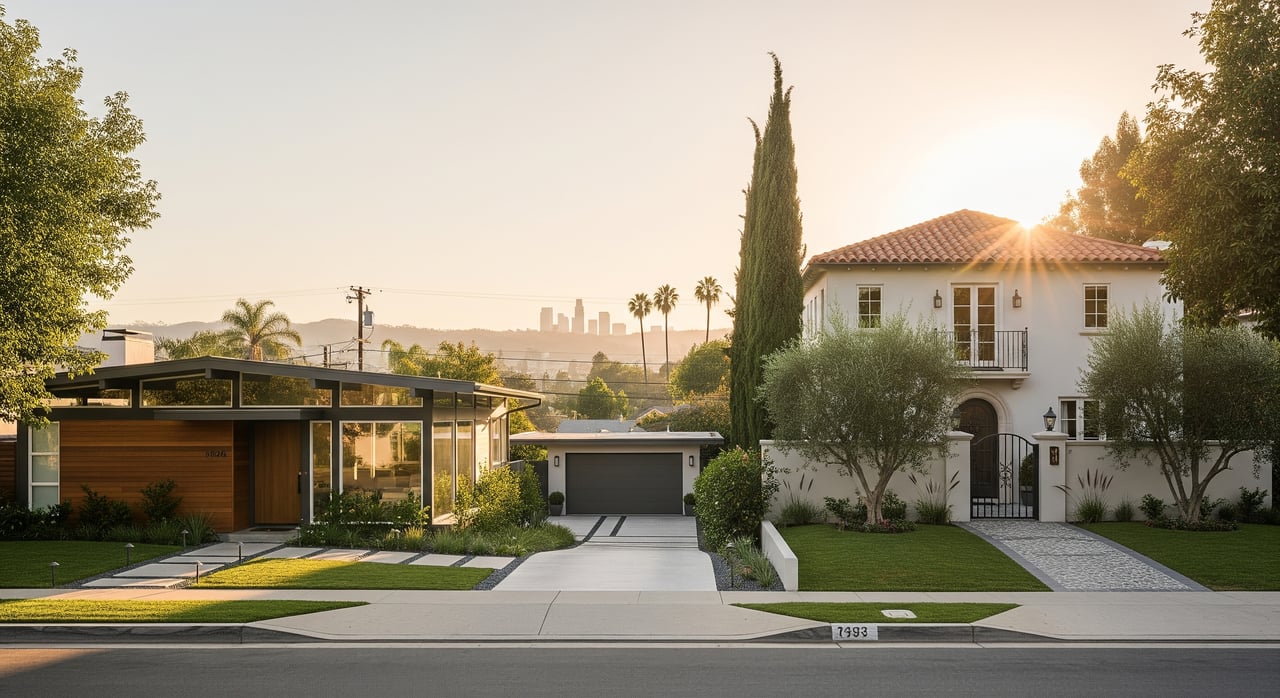
Burbank leans toward single-family homes on smaller lots, many mid-century in style, especially near Magnolia Park, the Media District, and residential pockets off Glenoaks. You’ll also see low- to mid-rise condos and apartments near downtown and studio corridors. Larger hillside tracts are limited compared with Glendale.
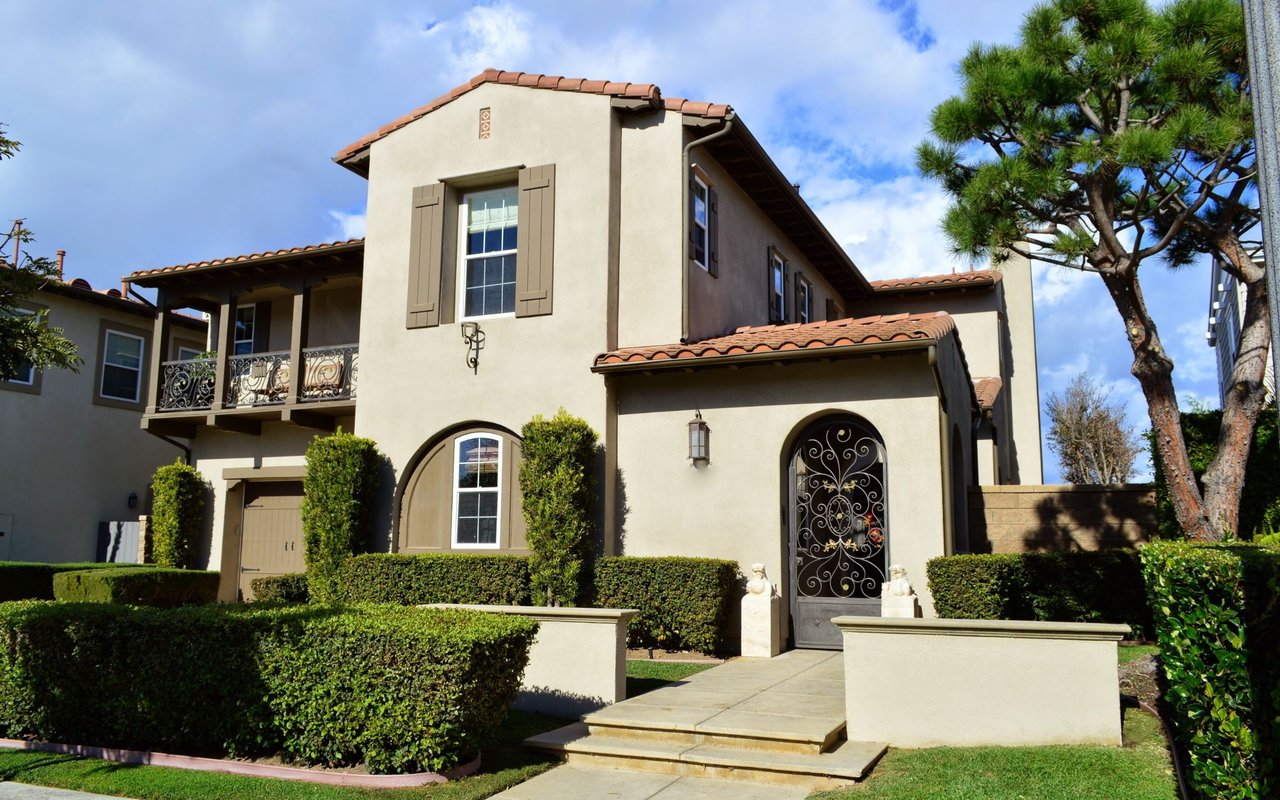
Glendale offers a broader mix. You’ll find historic homes, hillside properties in areas such as the Chevy Chase corridor, neighborhoods with larger lots like parts of the Verdugo Woodlands, and denser condo and apartment living close to downtown and Americana. This variety often means a wider range of price points and property types within the same city.
Both markets are considered premium within the eastern Los Angeles metro. Burbank often trades at or above nearby areas because of strong studio-driven demand and limited land area. Glendale has some very high-end enclaves and also more mid-market choices, especially in non-hillside neighborhoods.
What your budget really buys
Without current citywide medians in hand, here’s how to think about value in each city:
- In Burbank, you’re paying for proximity and a concentrated media ecosystem. Inventory can be tight, so well-priced, well-presented listings tend to move fast.
- In Glendale, your dollar stretches across more neighborhood types. You can focus your search by terrain, home style, or proximity to retail and parks, which can open up more options at a given price point.
To dial in specifics, review recent comparable sales and price per square foot for your target neighborhoods. Look at HOA fees for condos and newer developments, and factor in property taxes and insurance. Your monthly carrying cost is mortgage plus property tax, HOA (if any), and insurance.
Ownership costs and protections to know
- Property taxes: California’s base rate is around 1% of assessed value, plus local assessments or parcel taxes. Confirm effective rates and any special assessments with the LA County Assessor before you write an offer.
- HOA fees: Common for condos and some townhomes, rare for older single-family neighborhoods. Check what the HOA covers and whether there are upcoming assessments.
- Insurance and hazards: Both cities are in an earthquake zone. Some Glendale hillside areas also have higher wildfire or erosion risk. Review CAL FIRE fire hazard severity maps and ask your insurer about coverage and cost.
- Tenant protections: If you plan to rent now or in the future, be aware of California’s statewide tenant protections, and check city resources for any local rules that may affect rent increases or notice periods.
Commute and transportation reality
Both Burbank and Glendale are popular with studio teams because daily travel can be short when you pick the right neighborhood. Still, small distances can take longer at peak hours on I‑5, SR‑134, and key surface streets like San Fernando Road, Victory Blvd, and Glenoaks Blvd.
If your workplace is in Burbank, living in Burbank typically yields the shortest commute. If you regularly go to Universal City, Studio City, or Hollywood, Glendale can be just as competitive depending on your route and time of day. The right choice depends on when and where you drive.
Transit options include LA Metro bus routes, municipal shuttles such as BurbankBus and Glendale Beeline, and regional rail via Metrolink and Amtrak stations in the area. Walkability varies block by block. Downtown Burbank and central Glendale near Americana have more walkable pockets, while many residential streets remain car‑dependent.
Parking needs are also practical. Some Burbank neighborhoods and smaller apartment buildings have limited street parking. Glendale’s central area includes more structured parking, but it can be busy. If employer parking is limited, verify your options early.
Amenities and everyday lifestyle
Burbank’s appeal is its intimate scale and creative energy. Downtown and Magnolia Park offer cafes, local shops, and services oriented toward media professionals. The city feels close to Hollywood and Universal, with a local arts and restaurant scene that caters to a younger, studio-adjacent crowd.
Glendale’s amenities are anchored by Americana at Brand and the Glendale Galleria, which create a regional draw for shopping, dining, and entertainment. You also get broader civic institutions and easy access to hillside trails and parks. If you want a central retail hub with varied dining plus options to head into the hills, Glendale will stand out.
Healthcare access is strong in both cities, with hospitals and medical practices nearby. When you tour, map your likely clinics and hospital options so your daily errands fit your routine.
Schools: how to compare
Burbank Unified School District and Glendale Unified School District serve their respective cities. Each district has individual schools with different performance indicators. When schools are a priority, compare specific neighborhood schools rather than relying on citywide averages.
Use current state Department of Education data and reputable third-party resources to see test scores, enrollment, and programs. Verify enrollment boundaries and feeder patterns for your target neighborhood, since these can change. Visit campuses when possible and speak with administrators to understand academic offerings and extracurriculars.
Safety and environmental factors
Crime patterns vary by neighborhood. Review local police department crime maps and California DOJ statistics for a data-based view, and compare property and violent crime trends at the neighborhood level. Busy retail districts can show more property crime reports simply because of higher activity, which is not the same as overall risk.
Environmental checks matter in both cities. Earthquake risk is a regionwide reality, so consider retrofitting for older homes and ask about local incentive programs. In Glendale’s canyon and hillside areas, assess wildfire and debris flow exposure with official hazard maps. Near Hollywood Burbank Airport, review aircraft noise contours to understand how flight paths might affect specific blocks.
Decision guide: which is your best fit?
Use these prompts to clarify priorities before you tour homes.
- Commute: Identify your primary lot or office and your acceptable door‑to‑door commute time at peak hours. Test drives in both directions.
- Space and style: Decide on single-family vs. condo, yard needs, and whether hillside living appeals to you.
- Budget: Set a total monthly number that includes mortgage, property tax, HOA, and insurance.
- Lifestyle: Rank walkability, retail access, parks and trails, and nightlife noise tolerance.
- Future plans: If you might rent later, research rental rules and tenant protections for your property type and location.
When to choose Burbank
- You want the shortest commute to Burbank studios and a compact, media‑centric daily rhythm.
- You prefer smaller-lot single-family homes or low‑ to mid‑rise condo options close to the studios.
- You value a tight-knit, practical footprint with local cafes, services, and quick trips to Hollywood and Universal.
When to choose Glendale
- You want broader choice across hillsides, larger lots, historic homes, and condo living near a major retail core.
- You are open to a slightly longer commute in exchange for more space or different neighborhood character.
- You want a destination shopping and dining scene at your doorstep and quick access to trails and parks.
Smart next steps before you decide
- Tour at commute time. Do two or three door‑to‑door tests from likely homes to your studio or office.
- Pull recent neighborhood comps and price per square foot for 3–6 comparable properties.
- Check HOA documents, insurance quotes, and the effective property tax rate for any home you like.
- Review hazard and noise maps for fire, slope, earthquake, and airport contours.
- Confirm parking rules, street sweeping, and any local ordinances that affect your day-to-day routine.
How Tina Quillen Properties helps
You deserve a process that is clear, calm, and data‑informed. With a marketing‑first approach and deep neighborhood insight across Burbank, Glendale, and adjacent Valley micro‑markets, we help you compare real homes in real time. You get concise market intel, curated tours that match your priorities, and white‑glove guidance from first viewing to closing.
Whether you are upsizing for space, relocating for a studio role, or planning a long-term hold, we align your search with your budget, commute, and lifestyle so you can move forward confidently. Ready to see which city fits you best? Reach out to Tina Quillen for a curated plan and private showings that match your goals.
FAQs
Is Burbank or Glendale better for a short commute to Burbank studios?
- If your workplace is on or near a Burbank lot, Burbank neighborhoods typically offer the shortest door‑to‑door times, while Glendale can work well for Universal City or Hollywood depending on route and hour.
What types of homes are common in Glendale’s hillsides?
- Glendale’s hillside areas include a mix of historic styles and contemporary homes, often on larger or more varied lots than central neighborhoods, with terrain that can add privacy and views.
How do property taxes compare between Burbank and Glendale?
- Both are in LA County, where the base property tax is around 1% of assessed value plus local assessments; confirm the effective rate and any special charges with the county before purchase.
What transit options serve Burbank and Glendale?
- Both cities are served by LA Metro bus routes, local shuttles such as BurbankBus and Glendale Beeline, and nearby Metrolink/Amtrak stations, with walkability higher near each city’s central districts.
Are there environmental risks I should evaluate in either city?
- Yes; both face earthquake risk, some Glendale hillsides have higher wildfire or erosion exposure, and areas near Hollywood Burbank Airport experience aircraft noise, so review official hazard and noise maps.
How should families compare schools in Burbank and Glendale?
- Compare specific neighborhood schools using current state education data and reputable third-party indicators, verify enrollment boundaries, and visit campuses to assess programs that fit your student.