Ever wonder what your days would feel like when your corner coffee, gallery openings, and late-night DJs are a short walk from your front door? If you’re weighing a condo in West Hollywood, you’re likely drawn to its energy and convenience, but you also want a clear picture of day-to-day life. In this guide, you’ll learn what the rhythm, buildings, rules, and logistics really look like so you can decide whether WeHo fits your lifestyle. Let’s dive in.
Everyday rhythm in West Hollywood
West Hollywood is compact and highly walkable, with many errands and outings possible on foot. Many blocks score well for walkability, and you can often stroll to cafes, gyms, salons, and small markets. The Design District and Santa Monica Boulevard offer a concentration of boutiques, design showrooms, and restaurants that shape a lively daily routine. Evenings and weekends bring more foot traffic near entertainment corridors, while mornings on interior streets feel calm and residential.
If you value dining, music, and galleries nearby, the Sunset Strip, Santa Monica Boulevard, and Melrose corridors deliver. That same proximity can mean predictable late-night noise near those streets. Interior residential pockets feel quieter and still keep you close to services.
Condo buildings and amenities
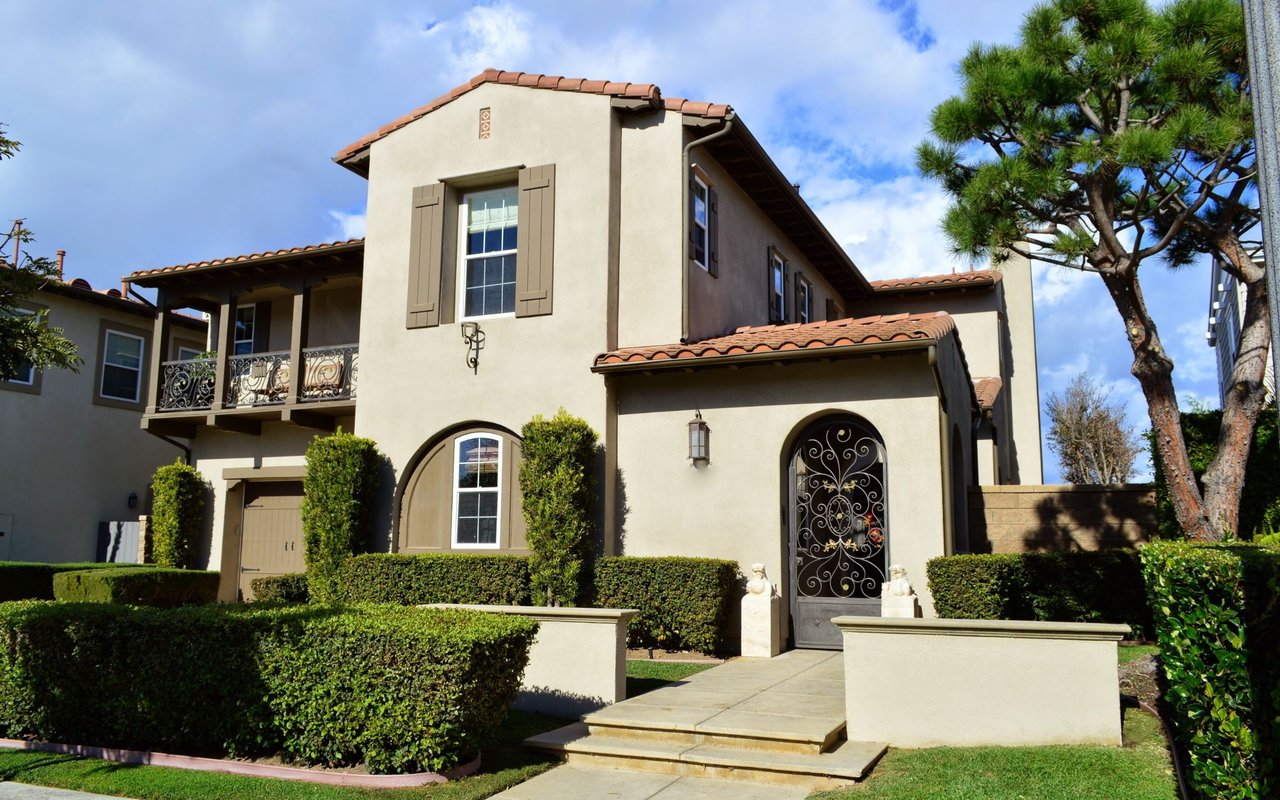
You’ll find a mix of low-rise mid-century and Art Deco walk-ups, garden-style complexes, and boutique mid-rise buildings along the main corridors. Large towers are less common than in downtown Los Angeles. Many older buildings started as apartments later converted to condos, while newer projects were designed as condominiums.
Amenities vary by building. Newer or boutique developments may include secure entry, concierge or manager, a fitness center, rooftop deck, pool or hot tub, package rooms, and controlled-access parking. These conveniences shape routines, from quick workouts to easy package pickup. Older low-rise buildings often trade fewer amenities for lower HOA dues, which can work if you prefer simplicity.
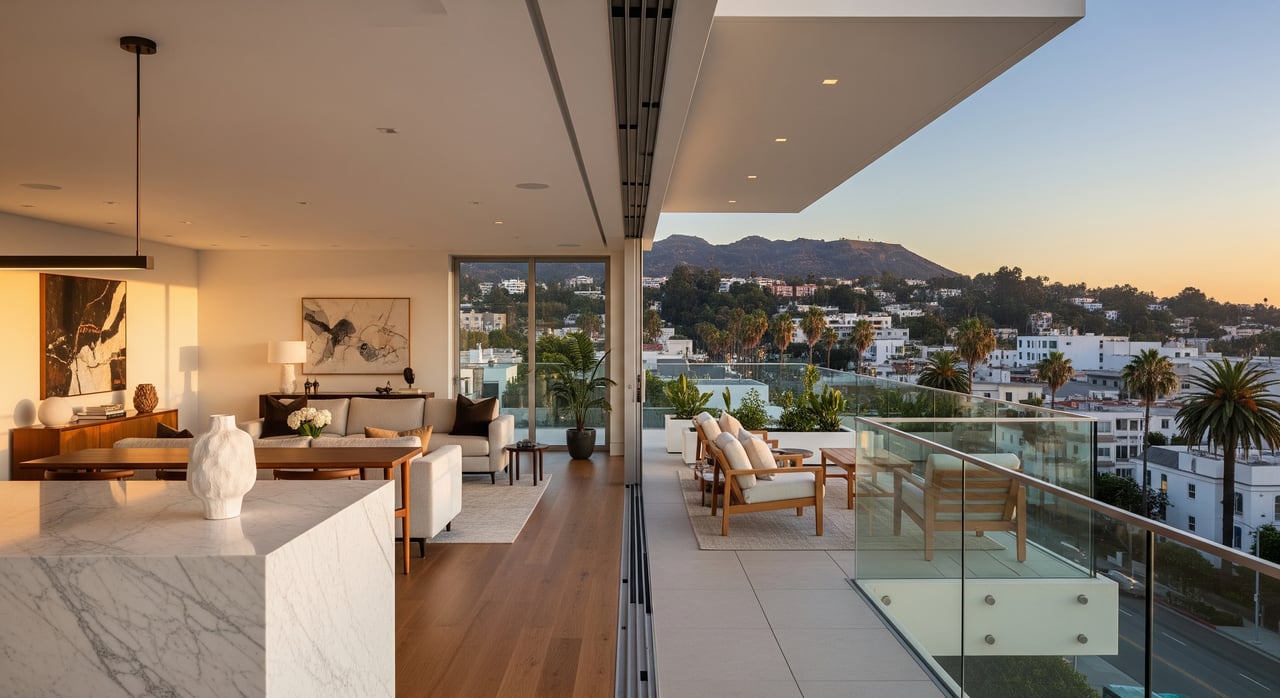
Natural light and privacy depend on orientation. Units near major corridors can feel more urban, with street-facing views and smaller terraces. Garden-style buildings may offer patios and inner courtyards that feel more buffered. If you’re sensitive to noise, look for upper floors or courtyard-facing homes and check window orientation relative to busy streets.
Transit, parking, and getting around
Local bus lines run along Santa Monica Boulevard, Sunset Boulevard, Fairfax, and Melrose, which makes short trips and nights out convenient. There are no heavy-rail stations inside the city limits, so longer commutes by rail require a transfer to adjacent neighborhoods. Many residents still use cars for regional commuting, with ride-hail and bike-share as useful supplements.
Parking varies by building and block. Newer developments often include at least one assigned space, while some older conversions may not. Street parking is regulated in many areas and often requires a residential permit, and parking enforcement is active near busy corridors. If you own two cars or expect frequent guests, verify assigned spaces, guest parking, and permit options before you commit.
Noise, safety, and services
Noise exposure is location dependent. Homes close to the Sunset Strip or Santa Monica Boulevard experience more late-night activity, crowds, and occasional event congestion. Residential streets away from those corridors are typically quieter. Construction and periodic events can affect access, so it’s smart to ask about scheduled projects and check the block at different times of day.
Public safety services are delivered through city partnerships, with active code enforcement and sanitation programs. As in many urban areas, petty crime like car break-ins or package theft can occur. Secured entry, good lighting, and package management add real value for day-to-day peace of mind.
Money, HOAs, and rules to know
Condo pricing in West Hollywood often runs higher than county averages due to limited land and strong demand for walkable living. Competitively priced, well-located units with secure parking and amenities tend to move faster than those without. Short-term shifts follow seasonality and interest rates, and values vary by street, building age, and layout.
HOA dues reflect amenity level, building age, reserve funding, and what utilities or services are included. Many associations cover exterior and common-area maintenance, trash, landscaping, and sometimes water or parts of building insurance. Owners usually handle interior insurance, electricity, and internet. Review budgets, reserve studies, and meeting minutes to understand financial health and any pending assessments.
California’s common interest communities operate under the Davis-Stirling Act, which outlines disclosures, budgets, elections, and member rights. If a condo is tenant-occupied or you plan to rent, learn how local rent stabilization and tenant protections could apply. Seismic retrofits may be required in some older wood-framed buildings, so confirm what has been completed and how it was funded.
For taxes and insurance, California’s Proposition 13 sets how property taxes are assessed at purchase with limited annual increases. Most condo owners carry an HO-6 policy for interior coverage and personal property. Clarify the scope of the HOA’s master insurance policy and where your coverage begins.
Helpful resources for deeper reading include the City of West Hollywood for city services and policies, the Los Angeles County Assessor for property tax guidance, and the California Legislature site for Davis-Stirling details. You can also review LA County’s building and safety resources and check walkability metrics that reflect the city’s pedestrian-friendly layout.
- Explore city services and housing policies on the City of West Hollywood website: City of West Hollywood
- Review property tax basics with the Los Angeles County Assessor
- Read statutory HOA rules via the California Legislature
- See regional building and safety guidance at LA County Public Works
- Check walkability trends at Walk Score for West Hollywood
Location within WeHo matters
- Sunset Strip corridor. Most energetic and nightlife oriented, with excellent entertainment access and higher late-night noise.
- Santa Monica Boulevard and Design District. Strong daytime retail, dining, and galleries with steady pedestrian activity.
- Interior residential streets. Quieter blocks with many mid-century apartment-to-condo conversions and small parks nearby.
- Edges near Hollywood, Beverly Hills, and Fairfax. Your commute, shopping choices, and overall feel shift with the boundary.
A few blocks can change your experience. Prioritize where you spend time, your commute patterns, and your comfort with nighttime activity when selecting a building and unit.
Buyer checklist for touring condos
- Review HOA documents. Read CC&Rs, bylaws, budget, recent financials, reserve study, meeting minutes, insurance certificates, litigation disclosures, and any rental caps or restrictions.
- Verify parking and storage. Confirm assigned spaces, whether they are deeded, guest parking rules, and storage lockers in writing.
- Ask about repairs and assessments. Check for recent or planned special assessments, capital projects, roofing, plumbing, or seismic work.
- Inspect and review disclosures. Obtain a professional inspection and evaluate disclosures for water intrusion, mold, and unit-specific issues.
- Confirm rental and tenant status. If occupied by a tenant, determine whether rent stabilization or local protections apply.
- Clarify insurance scope. Understand what the master policy covers and where your HO-6 policy begins.
Is WeHo condo life right for you?
If you want walkability, design-forward shopping, and vibrant dining close to home, West Hollywood makes daily life feel connected and convenient. If you prefer large outdoor spaces or very quiet evenings, target interior streets and courtyard-oriented buildings, and verify sound levels before you decide. Either way, the right location within WeHo is the key to balancing energy with everyday ease.
Ready to pinpoint the buildings and blocks that fit your lifestyle and budget? Connect with Tina Quillen for local guidance and a curated path to the right condo.
FAQs
What daily life in a West Hollywood condo feels like
- Expect strong walkability, a lively dining and arts scene, and more evening activity near entertainment corridors, with quieter pockets on interior streets.
What amenities West Hollywood condos usually offer
- Newer or boutique buildings often feature secure entry, fitness centers, rooftop decks, pools, and package rooms; older low-rise buildings may offer fewer amenities and lower dues.
How parking works for West Hollywood condos
- Many buildings include at least one assigned space, though older conversions may not; street parking is regulated on many blocks and may require a residential permit.
What to know about HOAs before buying a WeHo condo
- Review CC&Rs, budgets, reserves, meeting minutes, insurance, and any special assessments or litigation to understand services, costs, and financial health.
How West Hollywood rent rules can affect condo buyers
- If a unit is tenant-occupied or you plan to rent, confirm whether local rent stabilization or tenant protections apply and how they impact leasing and turnover.
Whether seismic retrofits matter for condos in WeHo
- Older wood-framed buildings may require soft-story or other seismic upgrades; verify completed work, funding sources, and any planned assessments.
What drives resale value for West Hollywood condos
- Location within WeHo, parking, unit layout, floor level, views, amenity quality, and a well-funded HOA are consistent value drivers.